

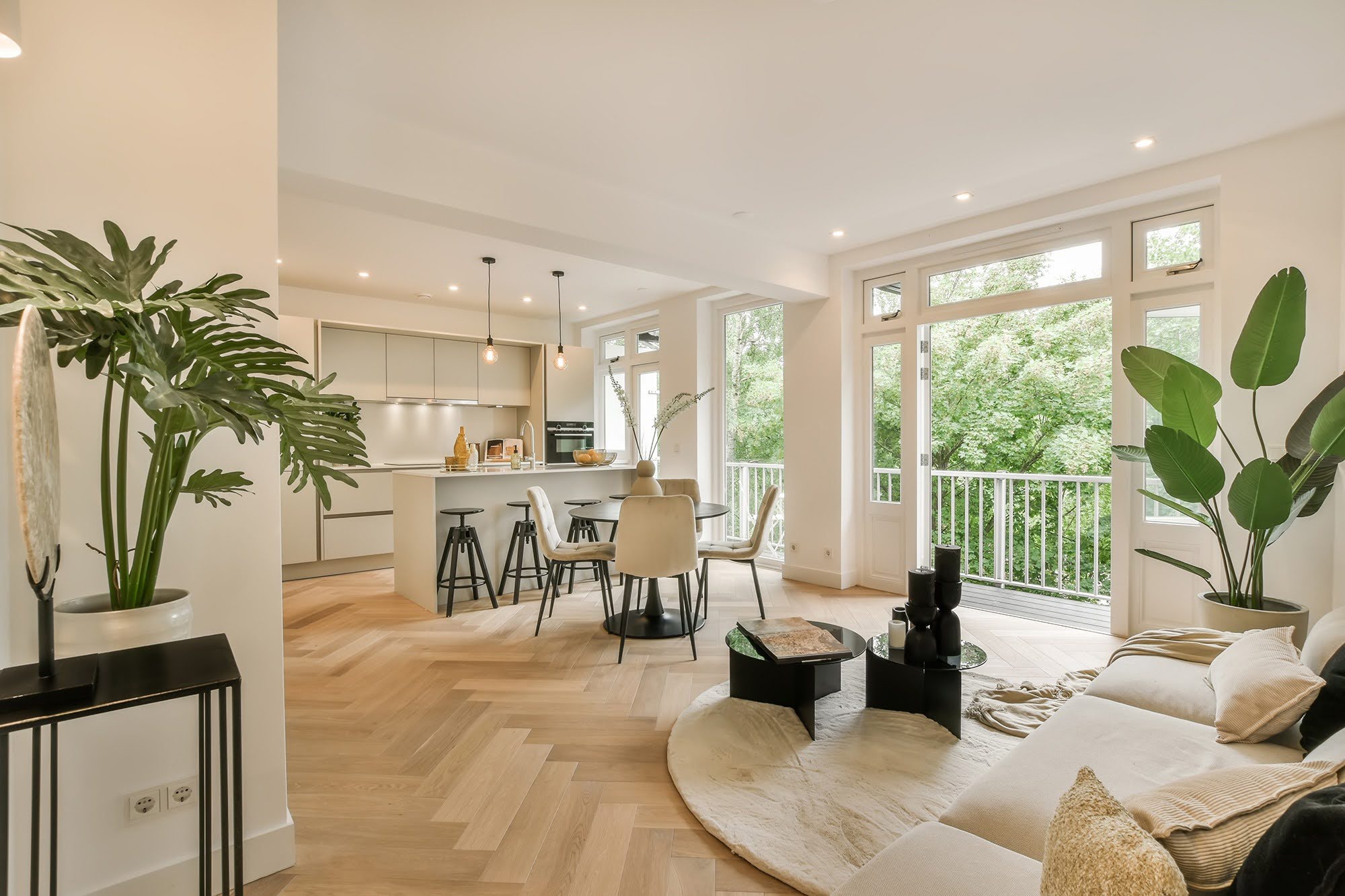
Choosing a hardwood species is about more than finding a color or grain pattern you like. The species can influence how your floor handles everyday activity, how it accepts stain, how much natural variation you see, and how well the finished floor complements the rest of your home.
At Prospect Hardwood Flooring, we help you compare these characteristics before hardwood installation in Fairfax, VA begins. Whether you're replacing flooring throughout your home or adding hardwood to a few rooms, understanding the differences between popular species can help you narrow the choices with confidence.
Why Hardwood Species Matters
Every hardwood species has its own combination of grain, natural color, hardness, and visual variation. Those differences become much more apparent when a sample becomes an entire room.
Before selecting a species, think about:
How much daily traffic the floor will receive
Whether you have pets or an active household
How much natural variation you prefer
The stain color you want
Whether you'll be matching existing hardwood
Your preferred plank width and overall style
You can explore available hardwood flooring options while comparing species and finishes for your project.
White Oak: Versatile and Easy to Design Around
White oak is worth considering if you want hardwood that can work across a wide range of interior styles.
Its grain provides visible natural character without necessarily dominating the room. Depending on the grade, stain, and finish you choose, white oak can work in traditional interiors as well as cleaner contemporary spaces.
You may prefer white oak if you want:
Noticeable but balanced grain
Natural color variation
Flexibility with stain choices
Compatibility with traditional or contemporary designs
Options for wider plank installations
If you're renovating several connected rooms, white oak's versatility can also make it easier to establish a consistent appearance throughout the space.
Red Oak: A Classic Hardwood Appearance
Red oak is another established flooring choice and has a more pronounced grain appearance than some alternatives.
The wood naturally tends toward warmer tones, although your final result will also depend on the individual boards, stain, and finish system.
Red oak may appeal to you if you prefer:
A traditional hardwood look
Prominent grain patterns
Warm natural character
Visible variation between boards
If your home already contains red oak flooring, matching the new installation to the existing species may also be an important consideration. Species is only one part of that process, since board dimensions, age, stain, and finish can all influence the final match.
Hickory: Strong Character and Natural Variation
Hickory immediately distinguishes itself through pronounced grain and color variation.
If you want every board to look highly consistent, hickory might not provide the aesthetic you're envisioning. If you appreciate natural variation, however, that same characteristic may be exactly what makes the floor attractive.
Hickory can work particularly well when you want:
Strong wood character
Pronounced grain
Natural color variation
A floor that does not look overly uniform
When considering hickory, look at several full-size samples rather than making your decision based on a single plank. Natural variation means one board cannot represent the appearance of an entire installed floor.
Maple: A Cleaner, More Subtle Look
Maple offers a different aesthetic from oak and hickory.
Its grain tends to appear finer and less pronounced, which can make maple attractive if you prefer a cleaner hardwood surface with less visual movement.
Consider maple if your priorities include:
Subtle grain
A lighter natural appearance
A streamlined visual style
Less prominent grain variation
Stain selection deserves careful consideration with any species, including maple. Instead of choosing a species first and assuming it will produce a particular stained appearance, evaluate the actual combination of wood, stain, and finish you're considering.
Walnut: Naturally Rich Color
Walnut is often chosen for its deep natural coloration and distinctive grain rather than for achieving a light or highly uniform appearance.
Its inherent color can provide significant visual interest even without relying on a dark stain.
Walnut may suit your project if you prefer:
Rich natural brown tones
Noticeable grain character
Strong visual warmth
A distinctive natural hardwood appearance
As with any species, consider the entire room rather than an isolated sample. Wall colors, cabinetry, furnishings, and natural light can change how dark flooring feels once it covers a large area.
Think About Solid vs Engineered Hardwood Too
Species is only one part of selecting your new floor.
Your chosen wood may be available in solid hardwood, engineered hardwood, or both. Which construction makes sense depends on factors such as the subfloor, installation location, flooring product, and site conditions.
Solid hardwood may be attractive if future refinishing flexibility is a priority. Engineered hardwood's layered construction can offer advantages for certain installation conditions.
When you schedule professional hardwood installation, the existing conditions can be evaluated alongside the flooring you are considering rather than treating product selection and installation as separate decisions.
Consider Fairfax's Seasonal Changes
Natural hardwood responds to changes in its environment. Seasonal changes in indoor moisture conditions can contribute to wood movement, which makes proper product selection, moisture evaluation, acclimation when required, and professional installation important.
This does not mean one hardwood species is automatically the correct choice for every Fairfax property.
Your final selection should reflect:
The specific flooring product
Subfloor conditions
Installation method
Room location
Existing flooring
Your preferred appearance
Long-term project goals
Before purchasing your flooring, you can request a hardwood flooring estimate to discuss how your product preferences align with the conditions of your project.
Think About Refinishing Before You Choose
If you expect to keep your hardwood for the long term, consider how your design preferences might change.
Suitable hardwood floors can often be restored through professional sanding and refinishing. Species, flooring construction, wear-layer thickness where applicable, and previous sanding all influence future refinishing possibilities.
If restoration becomes necessary later, dustless hardwood refinishing may help renew suitable existing floors without requiring you to automatically replace them.
Choose the Species That Works for Your Home
There isn't one "best" hardwood species for every project. White oak may give you the versatility you're looking for, red oak may complement an existing traditional floor, hickory may provide the variation you want, maple may suit a cleaner aesthetic, and walnut may deliver the naturally rich appearance you prefer.
The better approach is to compare appearance alongside practical installation considerations.
If you're planning hardwood installation in Fairfax, VA, speak with a flooring specialist at Prospect Hardwood Flooring about your preferred species, existing flooring, subfloor conditions, and design goals. You can also visit the Prospect Hardwood Flooring showroom to compare hardwood species and finishes in person before making your final selection.


